


This article is an excerpt from the Fall 2026 Talcott Continuum newsletter. Read the full newsletter here.
Research rarely moves in a straight line. Experiments fail. Data raises new questions. A promising idea can lead somewhere entirely unexpected.
This summer, the first cohort of scholars in the Talcott Mountain Research Institute (TMRI) Scholars Summer Research Program experienced that process firsthand.
Advanced high school students spent four weeks in July immersed in scientific research alongside Faculty Research Mentors from across STEM disciplines. Led by TMRI Director Dr. Jay White, the program was structured as a research apprenticeship, giving scholars the chance to move beyond questions with known answers and take part in the kind of open-ended investigation that drives scientific discovery.
“Being a scientist, mathematician, or engineer means being able to let your imagination soar while being tethered to how we think nature operates,” said Dr. White. “And learning to soar comes from doing genuine research in the company of others like you—in just the way the students and their mentors did in the Summer Research Program.”
Learning What Research Really Looks Like
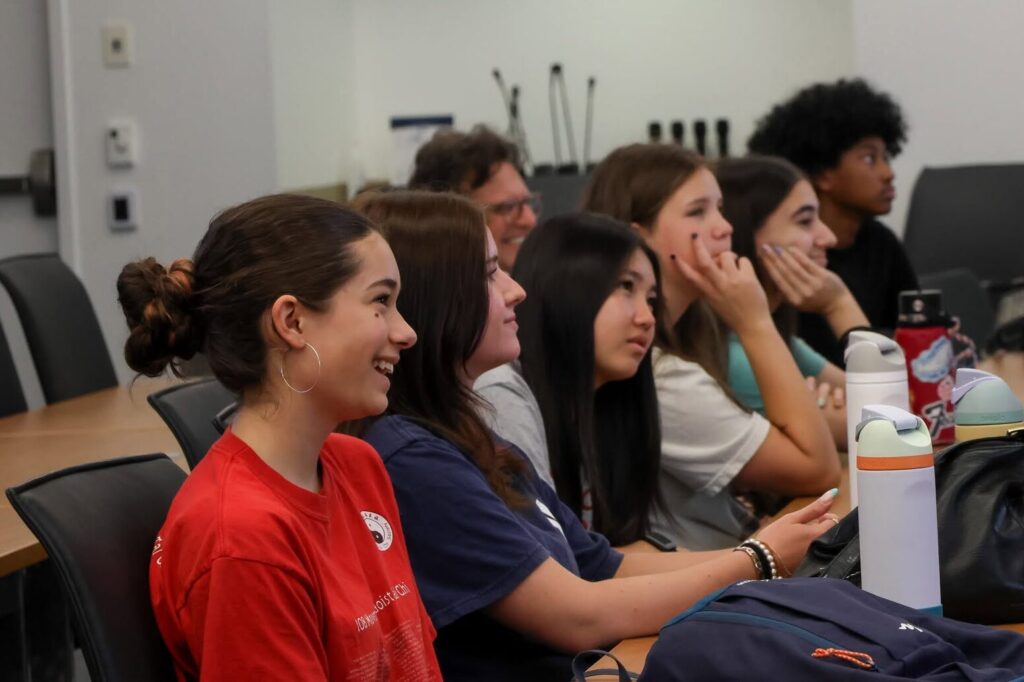
Each day included faculty-led lectures, Journal Club discussions, and dedicated time for research. Working in small groups with their mentors, scholars developed their own lines of inquiry and learned how much persistence, flexibility, and critical and analytical thinking the research process demands.
One scholar reflected, “It was a hands-on experience where I was involved in real research. Unlike any high school experience, we weren’t trying to get to an answer that was set in stone, we were trying to discover new results.”
Faculty Research Mentors guided scholars as they developed questions, explored research methods, interpreted results, and prepared to communicate their findings. Along the way, scholars saw firsthand how experienced researchers navigate uncertainty and revise their approach.
The inaugural Faculty Research Mentor cohort included:
- Dr. Catherine Bue-Hepner, Visiting Assistant Professor of Cell Biology, Trinity College
- Dr. Solaleh Miar, Assistant Professor of Biomedical Engineering, University of Hartford
- Dr. Xin Shen, Associate Professor of Electrical and Computer Engineering, University of Hartford
- Dr. Per Sebastian Skardal, Distinguished Professor of Applied Mathematics, Trinity College
- Dr. Olivia Soliman, Assistant Professor of Chemistry, University of Hartford
- Dr. Jay White, Director, Talcott Mountain Research Institute
One Faculty Research Mentor reflected, “The TMRI Summer Program is a place where you can share your enthusiasm for research with talented students and colleagues. What makes the experience even more valuable is the opportunity to learn from them, exchange ideas, and gain new insights throughout the program.”
Experiencing STEM Beyond the Mountain
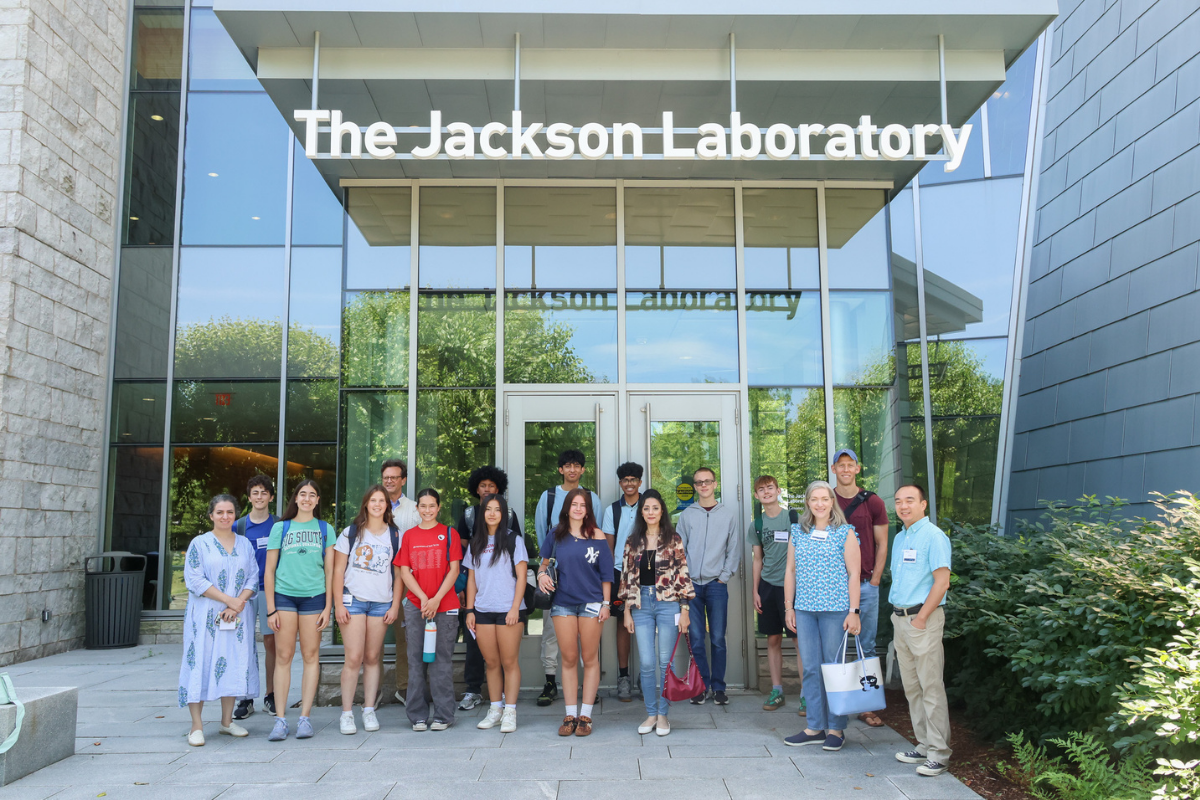
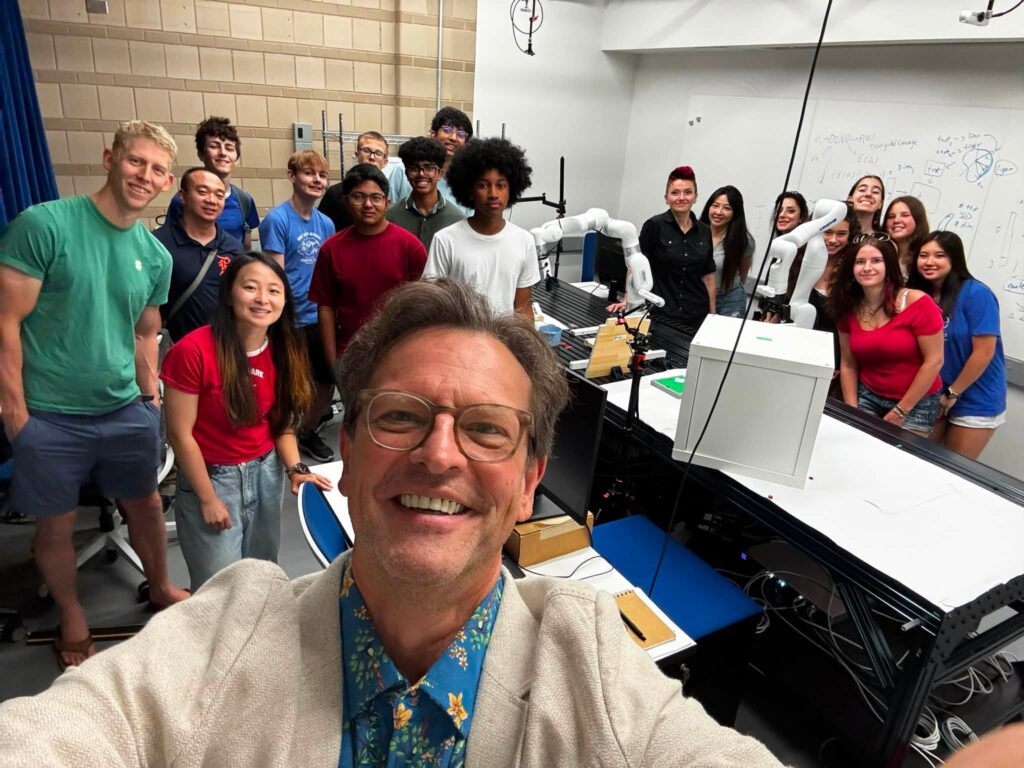
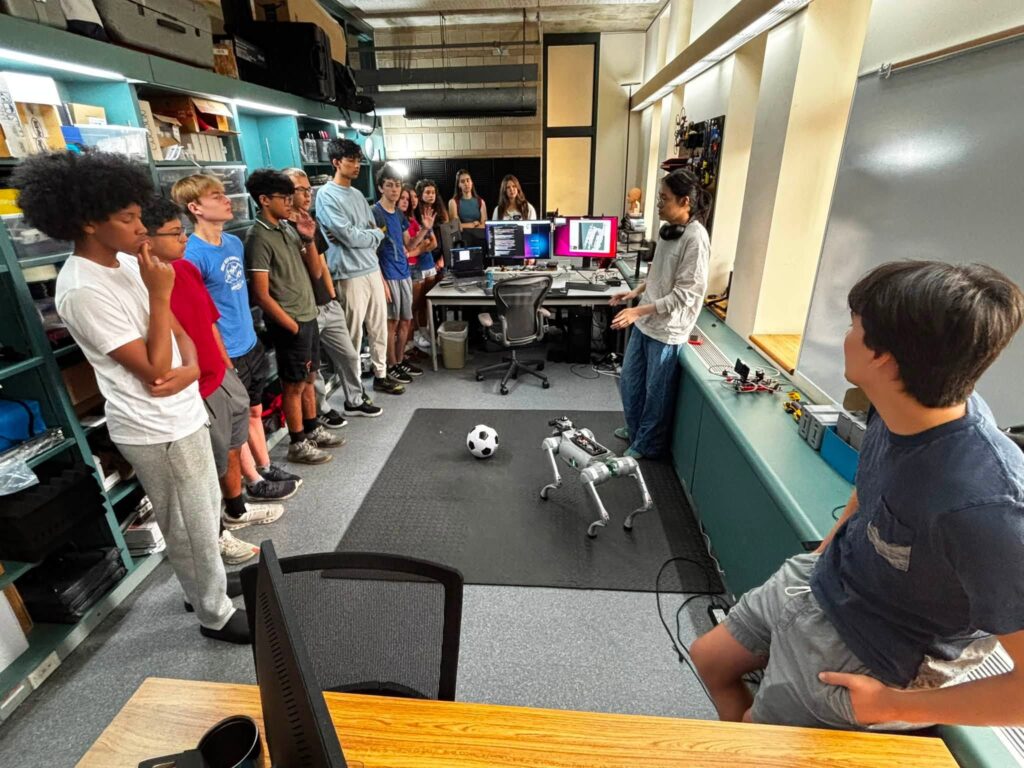
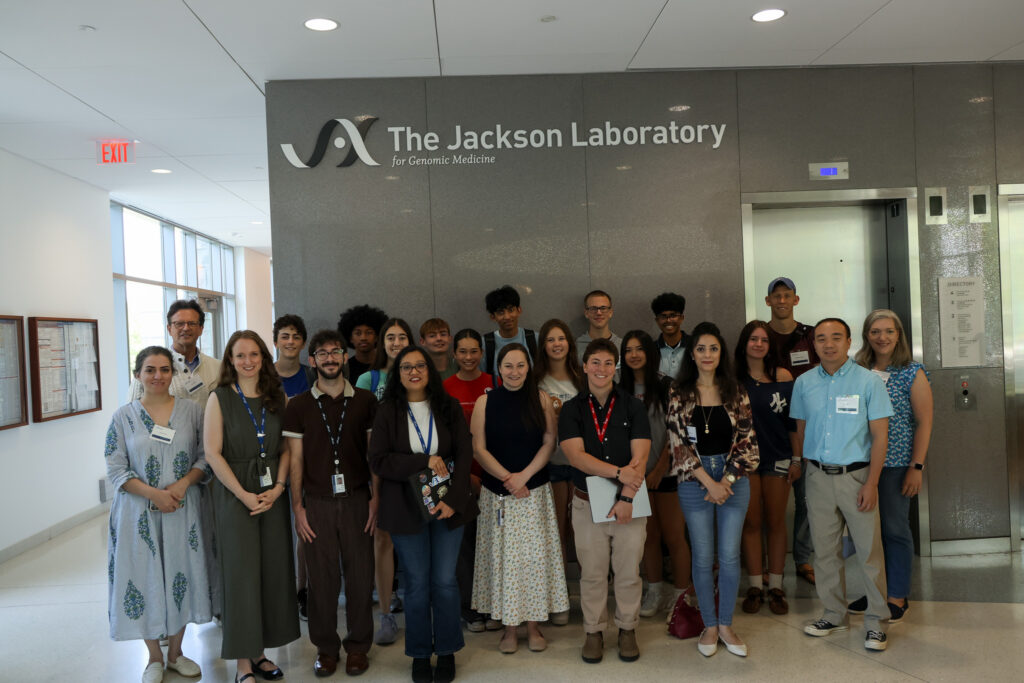
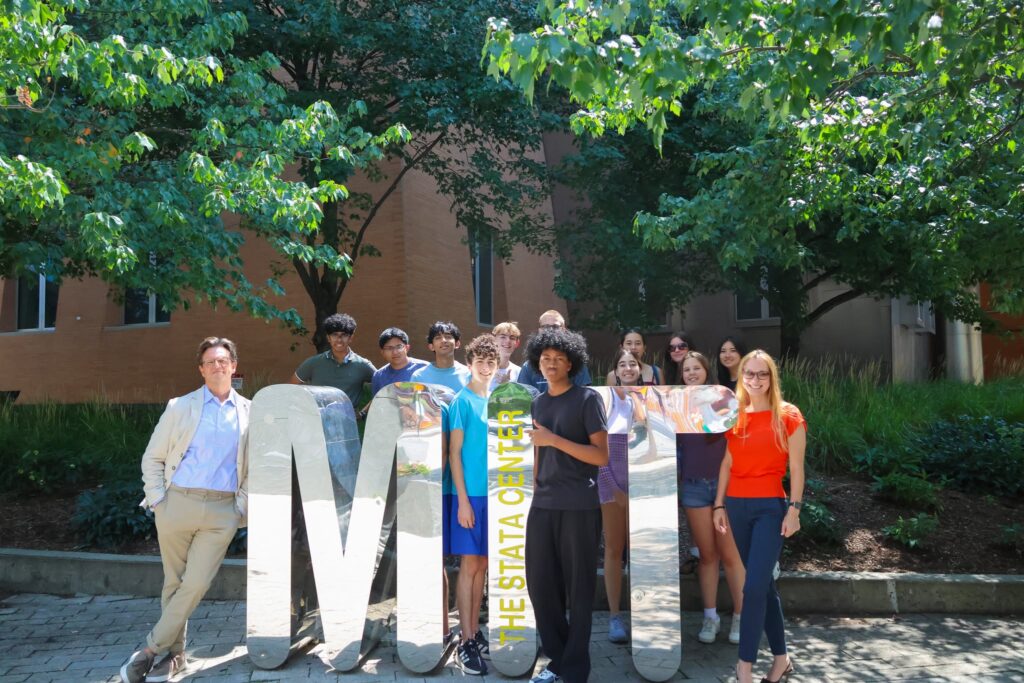
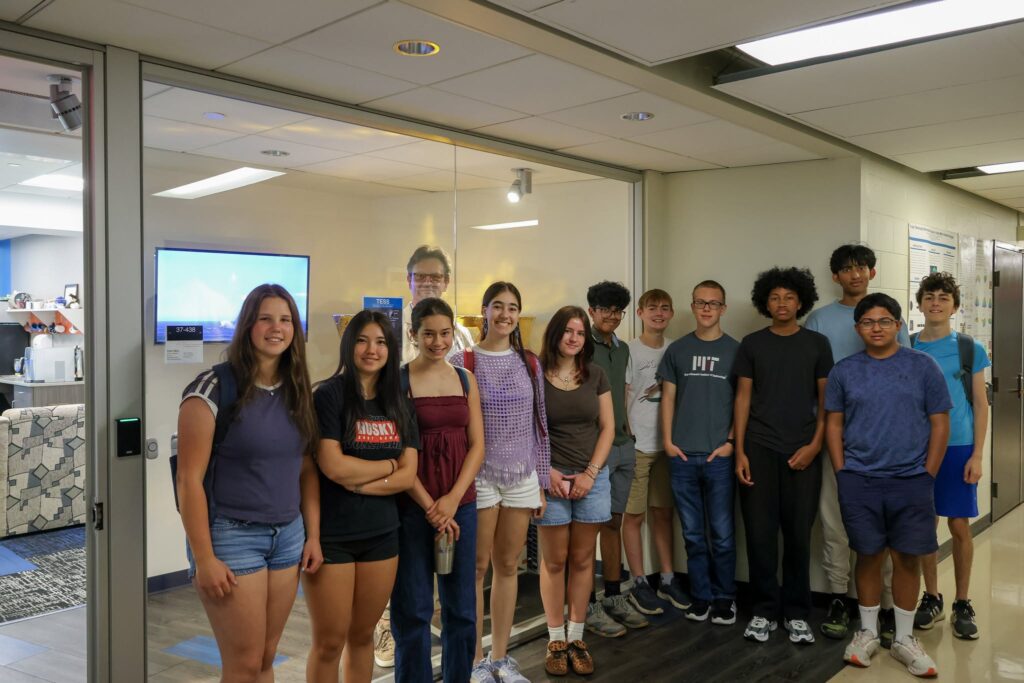
Scholars also visited leading scientific institutions, including The Jackson Laboratory, the Massachusetts Institute of Technology (MIT), and Yale University.
At The Jackson Laboratory, they met with geneticists, chemists, and other researchers working at the forefront of genomic medicine. At MIT, scholars heard from members of the TESS (Transiting Exoplanet Survey Satellite) and LIGO (Laser Interferometer Gravitational-Wave Observatory) teams about research in astrophysics and gravitational waves. Their time at Yale was spent with several professors and graduate students within Yale’s Department of Computer Science.
“The field trips were probably my favorite part of the program,” one scholar shared. “Being in the environment where the research happens and getting to talk to the people working there gave me a much better understanding of what actually goes on behind the scenes.”
The program concluded with a research symposium, where scholars presented their work and practiced communicating complex scientific ideas to a large audience.
A Community Built Around Curiosity
For many scholars, one of the most meaningful parts of the summer was being surrounded by people who shared their curiosity.
“I really felt intellectually at home during this program because everyone around me was passionate about what they were doing and we were all curious and motivated to learn more,” one scholar shared.
Families noticed the impact, too. One parent said the experience helped their scholar develop “faith in their own ability to think and work like a scientist,” while another saw “a newfound confidence and comfort level with the idea of presenting complex work in front of a crowd.”
Building on the First Summer
The inaugural TMRI Scholars Summer Research Program showed what can happen when advanced and curious students are given the time, mentorship, and space to pursue meaningful scientific questions. As one scholar put it, “The TMRI Scholars program is a place where your inner researcher blossoms.”
As excited as he is by the achievements of scholars in the inaugural program, Dr. White is already looking to TMRI’s impact on upcoming generations of STEM researchers.
“What excites me most about the future of TMRI Scholars is imagining how the community will grow from this first summer,” he says. “Each year, new Scholars will come to the mountain carrying their own questions, curiosities, and ways of seeing—and their seemingly inexhaustible desire to play volleyball together, to eat together, and to enjoy time with others who are curious and bright like they are. In fact, I hope being a TMRI Scholar will extend beyond a few remarkable weeks in summer. I can imagine opportunities throughout the year for Scholars to reconnect, continue their work, encounter new ideas, and remain part of the intellectual life of the mountain. This is my larger vision for TMRI: not simply to offer programs but to build a community where curious young people work alongside scientists, mathematicians, and other creative researchers, where ideas move between generations, and where a good question may begin a journey that lasts far longer than a summer.”
LEARN MORE
To learn more about the TMRI Scholars Summer Research Program, click the button below.