The “On the Shoulders of Giants” (OSG) Lecture Series comprise a public lecture series that invites audiences into thoughtful engagement with the ideas and individuals that shape our understanding of the natural world.
Hosted by the Talcott Mountain Research Institute, the OSG Lecture Series brings leading STEM scholars and other creative thinkers into conversation with the intellectually curious public. Each OSG Lecturer offers insight into a particular field or discovery as well as a window into how we humans inquire and how we interrogate nature.
ABOUT THE OSG LECTURES
The OSG Lecture Series takes its name from Isaac Newton’s reflection that scientific progress is built upon the work of those who came before. In that spirit, each OSG Lecture highlights the beauty of human creativity and innovation while quietly emphasizing intellectual lineage, humility, and the collaborative nature of discovery.
The OSG Lecture Series is guided by several core objectives:
- Make STEM endeavor and discovery accessible without diluting their depth
- Celebrate human wonder and illuminate the process of discovery
- Connect generations of wonderers and doers
- Foster intellectual and creative belonging
- Model scientific lives of thought, collaboration, and wonder
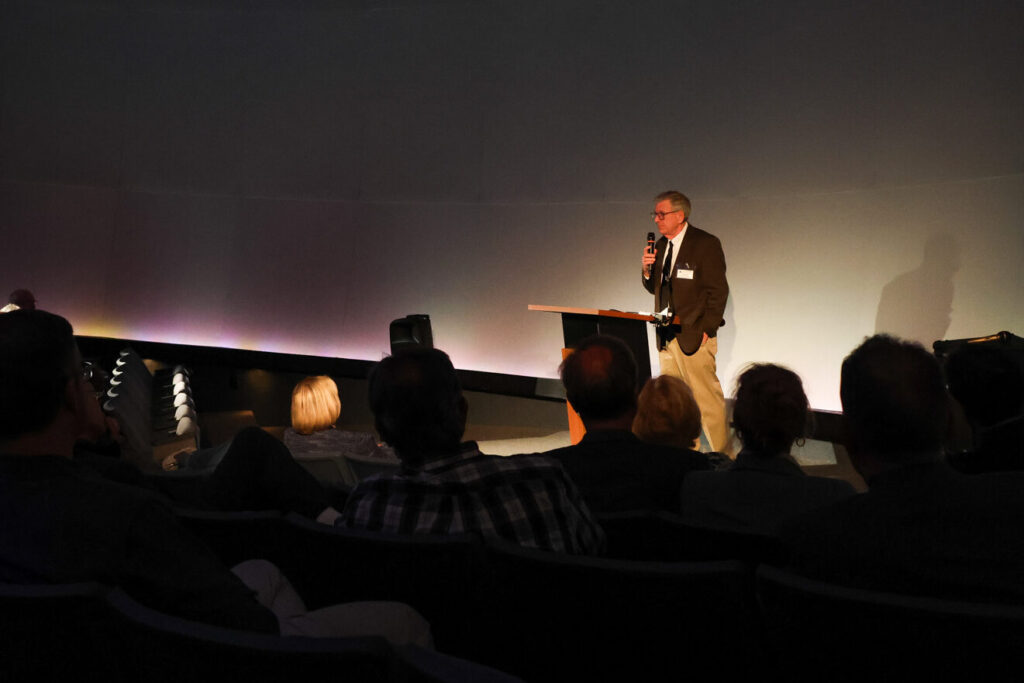
The OSG Lecture Series features two to three public lectures each year, delivered by distinguished STEM scholars and other creative luminaries whose work is shaping their disciplines and human thought. Each event includes a formal lecture followed by a moderated discussion and audience Q&A, encouraging dialogue rather than one-way transmission. Lectures are designed to be welcoming and conversational, balancing intellectual rigor with clarity, narrative, and human perspective. No specialized background is required—only curiosity and a willingness to think. When possible, visiting Lecturers also engage informally with TMRI students and faculty, extending the educational impact beyond the public lecture itself.
Upcoming Events
AI, Curiosity, and the Future of Human Discovery
Tuesday, April 13, 2027 | 6:30 PM
Talcott Mountain Science Planetarium
Reception to Follow
ABOUT THE LECTURE
Newton said that he saw further by standing on the shoulders of giants, the accumulated work of those who came before. For the first time, some of those shoulders are not human. AI systems now propose hypotheses, design experiments, summarize the literature, and answer our questions before we have finished forming them. This changes not only how fast we discover, but what kind of thinkers we become along the way. Drawing on four decades of work in AI research and on the front lines of AI ethics and governance, Dr. Rossi asks what we gain and what we risk when machines take over parts of the search for knowledge. Does an AI that always has an answer sharpen our curiosity or quietly retire it? What does it mean to learn, or to understand, in a world of fluent machines? And what forms of governance (inside the technology, inside our institutions, and inside our own habits of mind) keep human judgment at the center? The question is not whether AI will change discovery, but what remains human in the process.
ABOUT THE SPEAKER
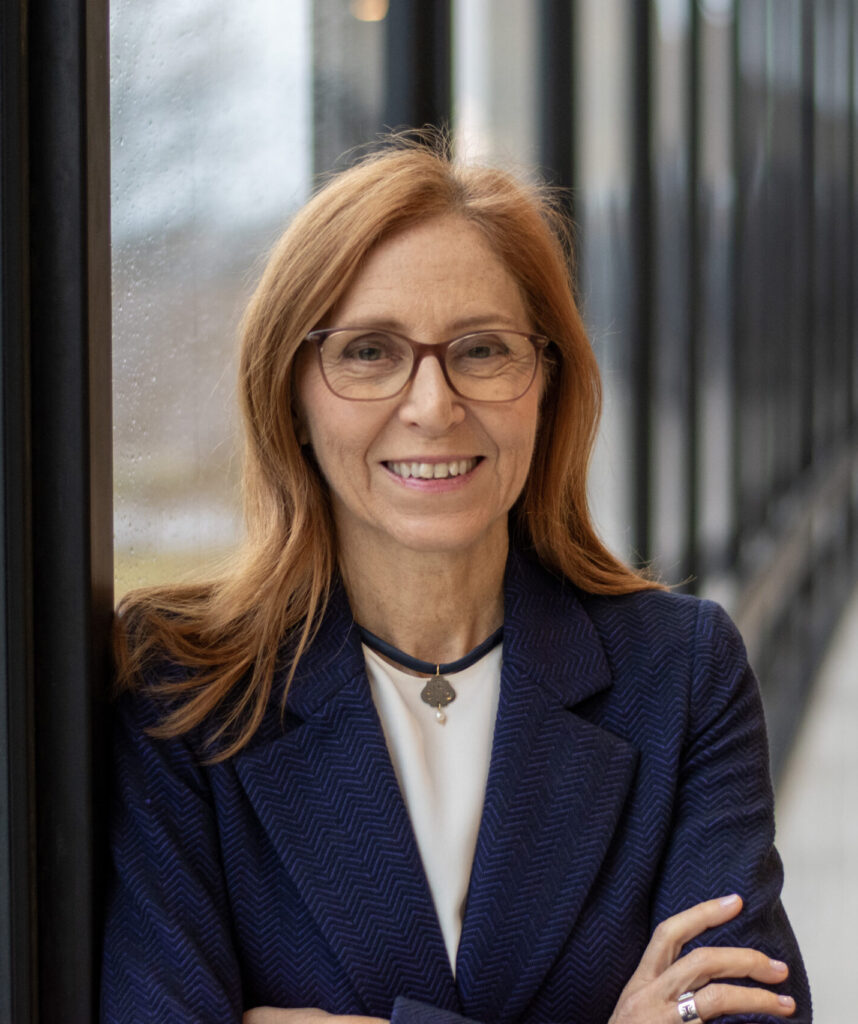
Dr. Francesca Rossi
IBM Fellow & IBM Global Leader for Responsible AI and AI Governance IBM’s Thomas J. Watson Research Lab, New York USA
Tickets on sale: 2027
Past Events
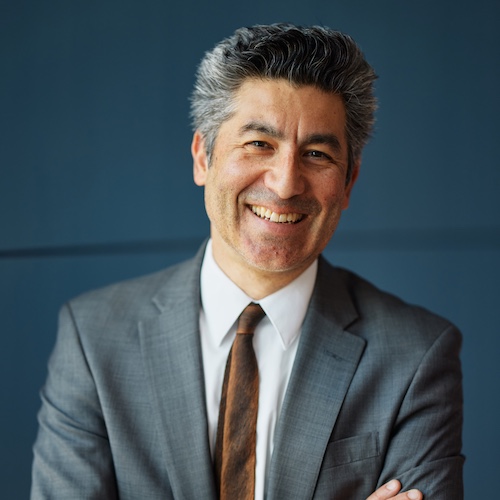
Wired for Wonder: Neurodiversity and the Future of Scientific Discovery
Tuesday, October 6, 2026
ABOUT THE LECTURE
There is a growing understanding of the power of cognitively diverse teams to drive innovation, including scientific discovery. Neurodiversity is an emerging paradigm in which neurological differences—such as autism—and the associated diversity in ways of thinking can bring unique strengths to organizations and teams, including in basic research. This OSG Lecture gives real-world examples from astrophysics research of ways in which teams comprising diverse types and modes of thinking are driving groundbreaking discoveries pertaining to the search for habitable worlds and life in the universe. Dr. Stassun will also describe a national model for neuro-inclusion in engineering in partnership with a growing network of leading universities across the country.
ABOUT THE SPEAKER
Dr. Keivan G. Stassun
Stevenson Professor of Physics & Astronomy, Professor of Computer Science, Professor of Management
Director of the Vanderbilt Initiative in Data-intensive Astrophysics (VIDA) Director of the Frist Center for Autism & Innovation, Vanderbilt University
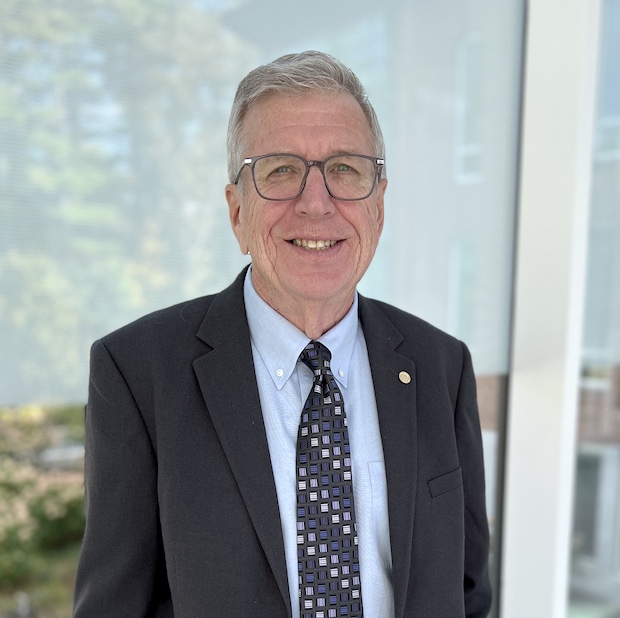
Here’s Looking at You: The Invention Behind the Camera in Your Pocket
Tuesday, May 12, 2026
ABOUT THE LECTURE
One of NASA’s most successful tech spinoffs is the CMOS image sensor, which converts light into digital data for countless applications. This talk explains the science of capturing light with a “camera on a chip,” and traces the invention, development, and commercialization of the technology by its primary inventor, Dr. Fossum. It also covers future advances in image capture, including Dartmouth’s Quanta Image Sensor, capable of detecting single photons of light.
ABOUT THE SPEAKER
Dr. Eric Fossum
John H. Krehbiel, Sr. Professor for Emerging Technologies
Thayer School of Engineering, Dartmouth College